
wire glass for sale
Understanding the Spirit Level Ruler An Essential Tool for Precision Measurement The spirit level ruler, often simply called a level, is a fundamental tool in construction, carpentry, and various DIY projects. Its primary purpose is to determine whether a surface is perfectly horizontal (level) or vertical (plumb) . The simplicity of its design belies its essential function in ensuring accuracy in building and construction tasks. At its core, a spirit level comprises a long, straight ruler or beam equipped with one or more cylindrical vials filled with liquid, typically alcohol or a similar fluid, and an air bubble. The vials are carefully calibrated; when the level is placed on a surface, the bubble within the vial will move and settle between marked lines when the surface is perfectly level or plumb. This visual cue allows users to make precise adjustments, ensuring that shelves, frames, and other installations are correctly aligned. Historically, spirit levels have a rich lineage dating back to ancient civilizations. The Egyptians used a simple water level concept to construct their monumental structures, while the Romans further innovated with devices resembling modern levels. The term spirit level is believed to have originated from the use of alcohol in the vials, which often served as a substitute for water in determining levelness, especially for portable or smaller devices. spirit level ruler In modern times, spirit levels are available in various sizes and materials, from lightweight plastic models to heavy-duty aluminum versions for professionals. Some models even come equipped with digital displays that provide electronic readouts, making it easier to achieve precise measurements. Despite the advancement of technology, the traditional spirit level remains a reliable choice due to its simplicity, portability, and ease of use. One of the most significant aspects of using a spirit level is ensuring accuracy in construction. Even slight deviations can lead to structural issues, aesthetic flaws, and costly repairs. Whether hanging cabinets, installing flooring, or setting up fencing, the spirit level acts as a crucial guide, helping to avoid pitfalls that arise from improperly aligned surfaces. Its role cannot be overstated, as the success of many projects hinges on this humble tool. Maintenance of a spirit level is also relatively straightforward, further enhancing its practicality. Users should store the level in a protective case when not in use to prevent damage. It is also essential to check the accuracy of the bubble vial periodically, as repeated impacts or drops can misalign the internal mechanism. To recalibrate, many models have screws that can be adjusted, ensuring that the tool remains functional and precise. In conclusion, the spirit level ruler exemplifies the perfect blend of simplicity and sophistication in measuring tools. Its design has remained relatively unchanged for decades, a testament to its effectiveness in ensuring accuracy in various applications. From professional contractors to DIY enthusiasts, the spirit level is an indispensable piece of equipment that guarantees both quality and precision in every project. Whether you're leveling a picture frame or constructing a house, this tool ensures that your work stands straight and true.
about
wire glass for sale
Understanding the 1 Way Check Valve A Vital Component in Fluid Control Systems A 1 way check valve, also known as a unidirectional valve or non-return valve, plays a crucial role in various fluid control systems. This ingeniously designed component is primarily used to allow fluid flow in one direction while preventing it from flowing back in the opposite direction. Its functionality is critical for maintaining system integrity and preventing backflow, which can lead to contamination, equipment damage, or even system failure. The '1 way' in the term refers to the valve's single port design, meaning it has one inlet and one outlet. Unlike a two-way valve that allows fluid to flow in both directions, a 1 way check valve ensures a unidirectional flow. The valve opens when the fluid pressure exceeds a certain threshold, allowing the fluid to pass through. Once the flow direction reverses, the valve automatically closes, thereby preventing backflow. The operation of a 1 way check valve is based on a simple yet effective mechanism. It typically consists of a valve body, a spring, and a disc or a ball. When fluid flows in the intended direction, it pushes the disc or ball against the force of the spring, opening the valve. Conversely, when the flow attempts to reverse, the spring's force keeps the valve closed, stopping the fluid from flowing back Conversely, when the flow attempts to reverse, the spring's force keeps the valve closed, stopping the fluid from flowing back Conversely, when the flow attempts to reverse, the spring's force keeps the valve closed, stopping the fluid from flowing back Conversely, when the flow attempts to reverse, the spring's force keeps the valve closed, stopping the fluid from flowing back 1 way check valve . These valves find applications in a myriad of industries, including oil and gas, chemical processing, water treatment, and pharmaceuticals. They are often installed in pumps to prevent pump cavitation, in pipelines to protect against backpressure, and in pressure vessels to maintain system pressure. One of the key advantages of the 1 way check valve is its simplicity. Its straightforward design makes it less prone to malfunction and easier to maintain compared to more complex valve designs. However, it is essential to choose the right type of check valve based on the specific application requirements, such as fluid properties, pressure ratings, and flow rates. In conclusion, the 1 way check valve is an indispensable element in fluid control systems, ensuring the safe and efficient flow of fluids. Its ability to prevent backflow not only safeguards the system but also contributes to process reliability and longevity. Despite its seemingly simple function, the role it plays in maintaining system integrity cannot be overstated. As technology advances, we can expect further innovation in the design and materials of these valves, enhancing their performance and suitability for diverse industrial applications.
-

High quality industrial productsagement

High quality industrial products
View Details -

Meet the diverse needs of customers

Meet the diverse needs of customers
View Details -

Strict quality control

Strict quality control
View Details -

Top raw materials

Top raw materials
View Details -

Trusted supplier

Trusted supplier
View Details
Our application

news and information

Vanne papillon de 75 mm
La vanne papillon de 75 mm Un élément clé dans les systèmes de plomberie La vanne papillon de 75 mm
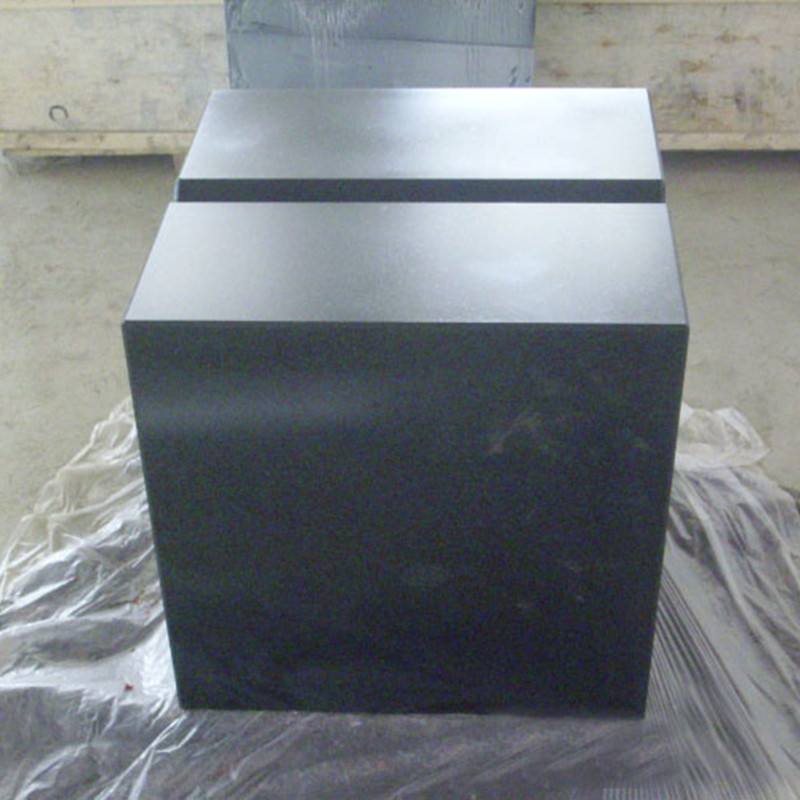
Y Type Strainers_ A Comprehensive Guide
Y type strainers are crucial components in various piping systems, known for their ability to filter

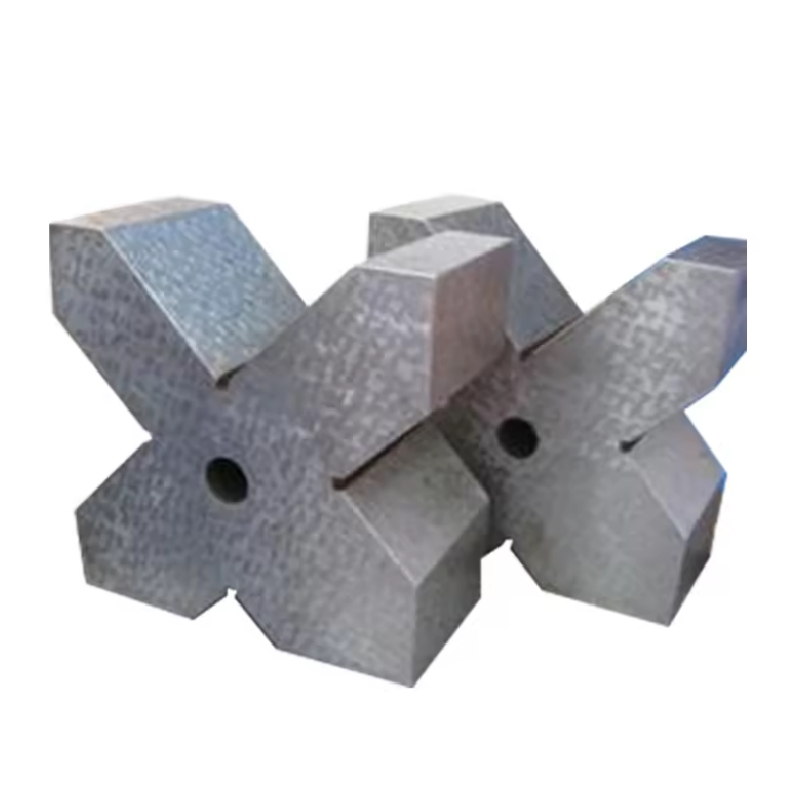
v block design
Exploring the V-Block Design A Revolutionary Approach in Architecture In the ever-evolving landscape
 English